Personalizing In-Store Experiences Using Machine Learning and IoT Integration
Keywords:
Machine Learning, Internet of Things, Personalization, Retail, Data Collection, Ethical AI, Model Training, Data SecurityAbstract
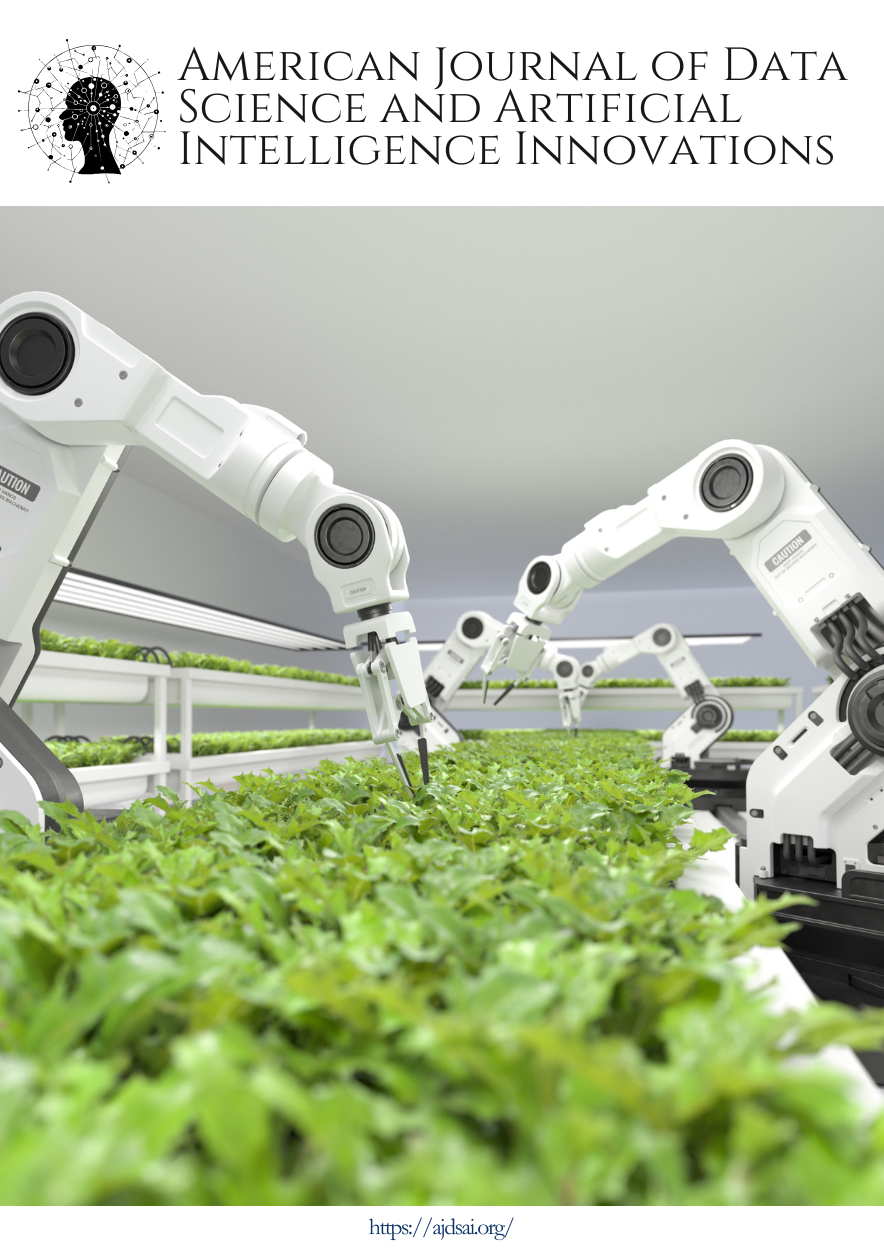
IoT and ML allow businesses personalise store purchases. These tools let retailers acquire and handle vast real-time data. Customise experiences based on client behaviour and preferences. This study suggests IoT and machine learning models may improve retail customer happiness and efficiency. IoT sensors, cameras, beacons, and RFID tags collect live data. These devices monitor where people are, how they move, how long they stay, how they utilise objects, and the environment. Customised data-driven machine learning algorithms improve store design, marketing, and customer contact.
Integration requires machine learning. It uses supervised and unsupervised learning, reinforcement learning, and deep learning to uncover patterns in big datasets that other tools can't. Retailers use ML models to predict customer preferences and adjust displays, marketing, and stocks. ML algorithms and IoT sensors adapt retail environments to customer wants in real time. Machine-learning smart displays may update information dependent on users. Immersive, personalised experience.
A smart IoT and ML option enhances personalisation. Machine learning can classify clients by visit, purchase, and corporate interaction. Segmentation enables targeted discounts and loyalty programs to boost sales and retention. Train and enhance personalisation algorithms using real-time data. These technologies also help personnel understand the customer's experience across channels for consistent in-store and online service. Merchants may satisfy fast, personalised shopping demands.
Implementing these technologies raises ethical, operational, and technological issues. IoT devices require quick, dependable infrastructure to receive and send big data. To communicate with ML systems, IoT devices require standards and data compatibility. Data privacy is another concern. Protecting client data requires strong data protection laws and cybersecurity.
Setting up, managing, and growing enterprise IoT-integrated ML systems requires expensive equipment and qualified workers. Engineering and data scientists must work on IoT data analysis machine learning models. The model training approach must include several data circumstances to make the system dependable in various contexts. Failure-safes and real-time error correction solutions keep systems running and customers trusting.
Consent and transparency issues arise when employing IoT and machine learning to gather and analyse client data. Stores must increase customer satisfaction and privacy. Transparent permission and data use may boost customer trust and decrease data misuse. Ethically forbidding data analytics personalisation algorithm bias. Machine learning and auditing must be fair to provide impartial customer service.
Downloads